

Digital Marketing
The Role of Digital Marketing in Transforming Healthcare
Introduction:
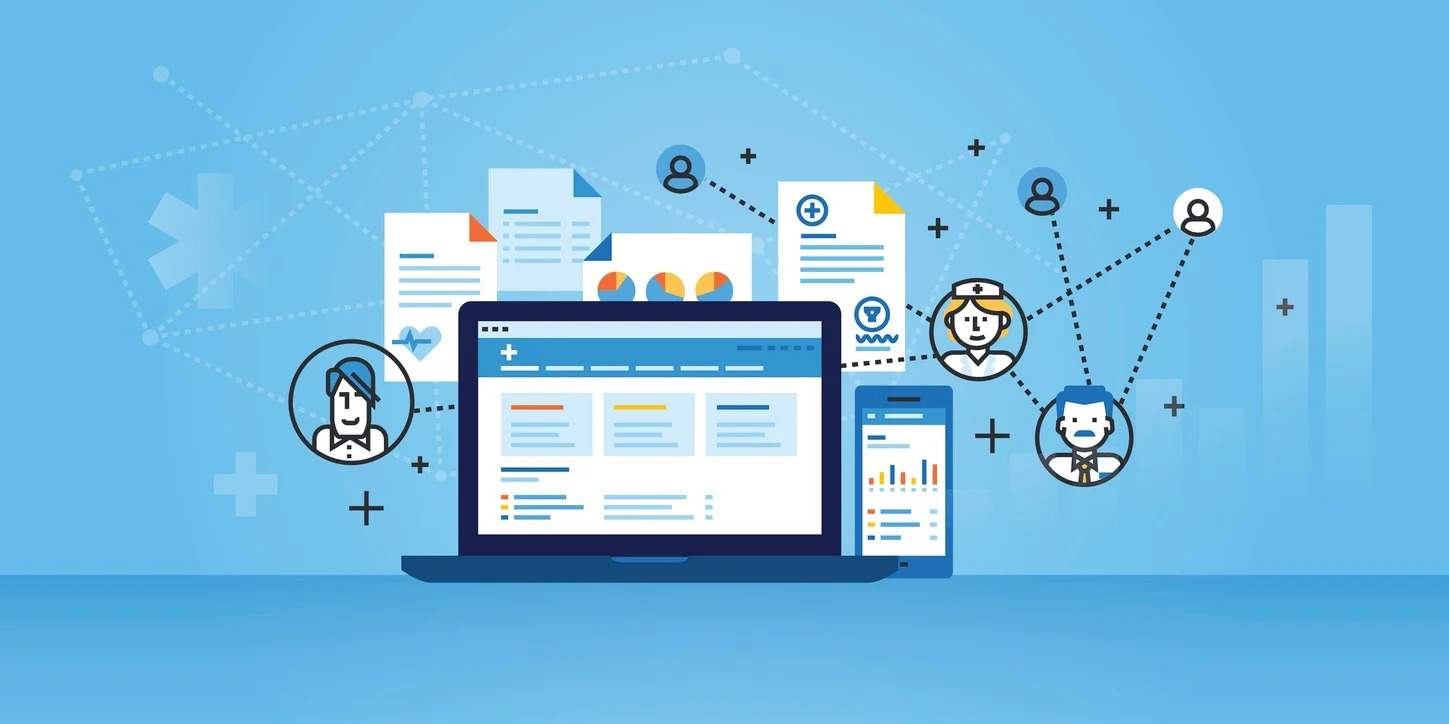
In recent years, the healthcare industry has been undergoing a significant transformation, driven by digital technologies. One area that has seen rapid growth is digital marketing, which is enabling healthcare providers to reach and engage patients in new and more effective ways. In this article, we’ll explore the benefits and challenges of digital healthcare marketing and how it’s transforming the industry.
The Benefits of Digital Healthcare Marketing
Digital healthcare marketing offers numerous benefits for healthcare providers and patients. Here are some of the key advantages:
a) Increased Patient Engagement:

Digital marketing allows healthcare providers to connect with patients in new ways, such as through social media, email marketing, and mobile apps. This increased engagement can lead to better patient outcomes and higher patient satisfaction.
b) Targeted Marketing:
Digital marketing enables healthcare providers to target specific patient populations with personalized messaging. For example, a hospital might use social media ads to target women over 50 with a history of breast cancer to promote its mammography services.
c) Cost-Effective:
Digital marketing can be more cost-effective than traditional marketing channels, such as print ads and TV commercials. This is especially true for smaller healthcare providers who have limited marketing budgets.
Challenges of Digital Healthcare Marketing
While digital healthcare marketing offers many benefits, there are also challenges to consider. Here are some of the main challenges:
a) Data Privacy:
Healthcare providers must be careful to protect patient data when using digital marketing channels. This includes complying with regulations such as HIPAA (Health Insurance Portability and Accountability Act) and GDPR (General Data Protection Regulation).
b) Digital Literacy:
Healthcare providers and patients alike must have a certain level of digital literacy to effectively use digital marketing channels. This can be a challenge, especially for older patients who may be less comfortable with technology.
c) Competition:
As digital healthcare marketing becomes more prevalent, healthcare providers must work harder to stand out from the competition. This requires creative and effective marketing strategies.
Strategies for Effective Digital Healthcare Marketing
To succeed in digital healthcare marketing, healthcare providers must develop effective strategies that address the unique challenges of the industry. Here are some key strategies to consider:
a) Personalization:
Personalization is key to effective digital healthcare marketing. Healthcare providers should use data to understand their patients’ needs and preferences and deliver personalized messaging that resonates with them.
b) Multi-Channel Marketing:
To reach patients effectively, healthcare providers should use multiple digital marketing channels, such as social media, email, and mobile apps. This enables them to connect with patients where they are and on their preferred platforms.
c) Content Marketing:
Content marketing is an effective way to establish thought leadership and educate patients about healthcare topics. Healthcare providers can create blog posts, infographics, and videos to engage and inform patients.
Examples of Successful Digital Healthcare Marketing
Several healthcare providers have successfully used digital marketing to connect with patients and drive business growth. Here are some examples:
a) Cleveland Clinic:
The Cleveland Clinic has a robust social media presence, with over 4 million followers across its channels. The hospital uses social media to share health tips, promote its services, and engage with patients.
b) Mayo Clinic:
The Mayo Clinic has created an online health community called Mayo Clinic Connect, where patients can connect with each other and with Mayo Clinic experts. This has helped the hospital build stronger relationships with patients and establish itself as a thought leader in the healthcare industry.
c) HCA Healthcare:
HCA Healthcare has used email marketing to promote its telehealth services for your business during the COVID-19 pandemic. The hospital sent targeted emails to patients with chronic conditions, encouraging them to use telehealth to manage their health safely from home.
Future of Digital Healthcare Marketing
Digital healthcare marketing is likely to continue to grow and evolve in the coming years. Here are some trends to watch:
a) Increased Use of AI:
Artificial intelligence (AI) is already being used in healthcare to improve patient outcomes and reduce costs. In the future, AI is likely to play a larger role in digital healthcare marketing, helping providers deliver more personalized and effective messaging.
b) Greater Focus on Patient Experience:
Patient experience is becoming increasingly important in healthcare, and digital marketing can play a key role in improving it. Healthcare providers will need to focus on delivering personalized, convenient, and accessible experiences to patients through digital channels.
c) Collaboration with Tech Companies:
Healthcare providers are increasingly collaborating with tech companies to develop innovative digital solutions. This trend is likely to continue, with providers partnering with companies to create new digital marketing tools and platforms.
FAQs:
Q. What is digital healthcare marketing?
A. Digital healthcare marketing involves using digital channels such as social media, email, and mobile apps to connect with patients and promote healthcare services.
Q. What are the benefits of digital healthcare marketing?
A. Digital healthcare marketing offers several benefits, including increased patient engagement, targeted marketing, and cost-effectiveness.
Q. What are the challenges of digital healthcare marketing?
A. The challenges of digital healthcare marketing include data privacy concerns, digital literacy issues, and increased competition.
Q. What strategies can healthcare providers use to succeed in digital healthcare marketing?
A. Healthcare providers can use strategies such as personalization, multi-channel marketing, and content marketing to succeed in digital healthcare marketing.
Q. What are some examples of successful digital healthcare marketing?
Examples of successful digital healthcare marketing include the social media presence of the Cleveland Clinic, the Mayo Clinic’s online health community, and HCA Healthcare’s targeted email marketing campaign.
Q. What is the future of digital healthcare marketing?
A. The future of digital healthcare marketing is likely to involve greater use of AI, a greater focus on patient experience, and increased collaboration between healthcare providers and tech companies.
Please follow and like us: