
Alberta
Don’t Risk It! The Hidden Dangers of Outdated Electrical Panels
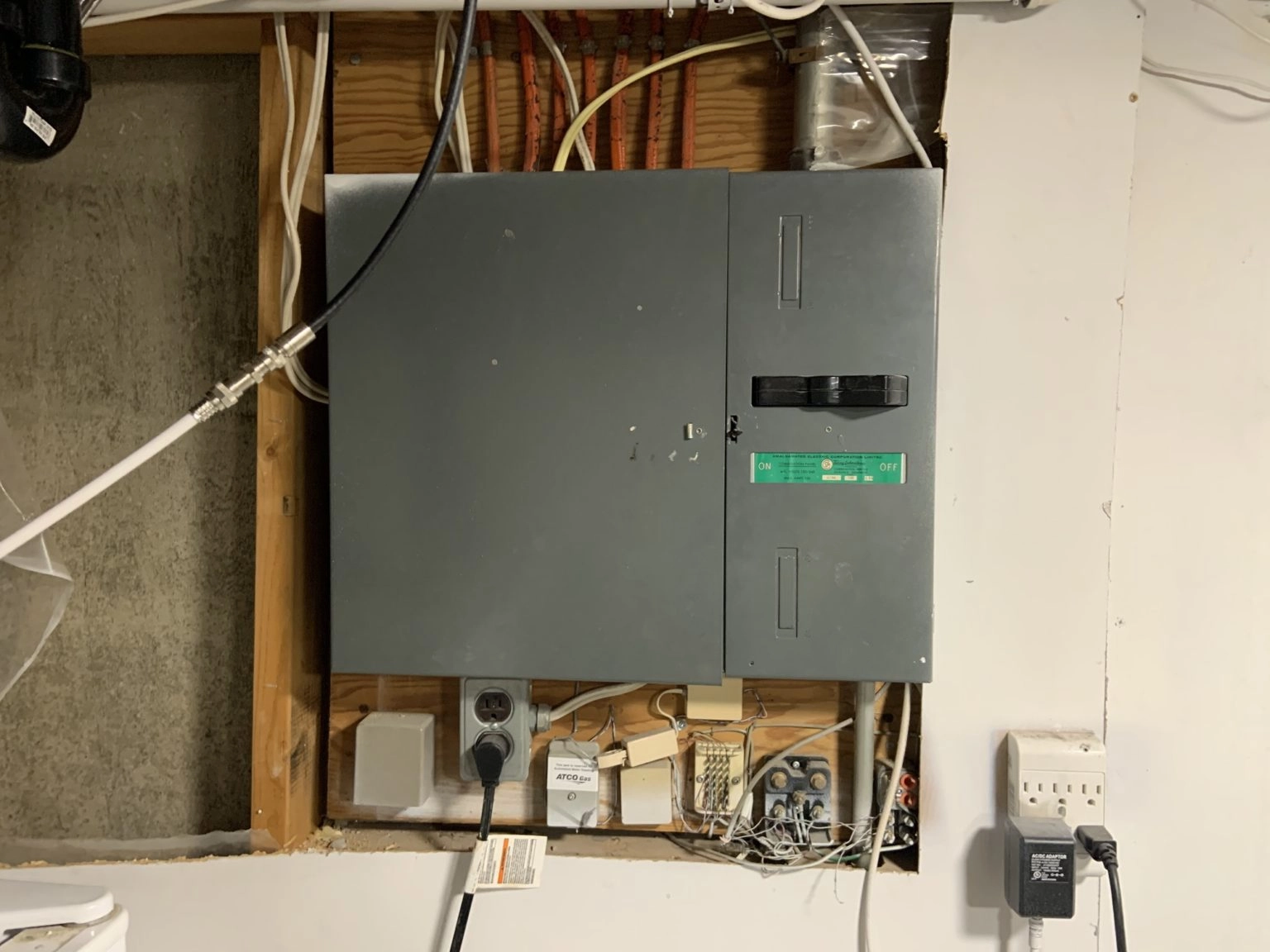
In many Canadian homes—especially older ones—there’s an invisible risk tucked away behind a metal door in the basement or utility room. While it rarely gets attention, the condition of your electrical panels plays a major role in keeping your home safe, efficient, and ready for modern power demands. As appliances, devices, and heating systems evolve, outdated panels often struggle to keep up, creating hazards that many people never notice until something goes wrong.
Table of Contents
- Why Electrical Panels Matter More Than Homeowners Realize
- The Hidden Dangers of Outdated Electrical Panels
- Signs It’s Time for an Electrical Panel Assessment
- How Modern Upgrades Improve Safety and Efficiency
- What Happens During a Modern Electrical Panel Installation?
- Conclusion: Don’t Wait for Problems to Appear
Understanding these risks not only protects your property but also safeguards everyone living in it. This guest post breaks down the dangers linked to outdated panels, the signs you shouldn’t ignore, and why regular evaluations and strategic updates can make a major difference. If you’re considering expert guidance, trusted providers like Pro West Electrical are known among many homeowners for offering reliable insight and support.
Why Electrical Panels Matter More Than Homeowners Realize
Your home’s electrical panels act as the central distribution point for all power entering your property. They ensure electricity flows safely to lights, appliances, outlets, and heating systems. When the panel is old or overloaded, it cannot effectively regulate or protect this flow.
What Happens When Panels Age?
- Components corrode
- Breakers weaken
- Circuits become overloaded
- The risk of overheating increases
As energy demands rise—think EV chargers, upgraded HVAC systems, or modern kitchen appliances—panels designed decades ago often cannot handle the load.

The Hidden Dangers of Outdated Electrical Panels
Fire Hazards You Can’t See
One of the most serious issues related to outdated panels is the increased risk of electrical overheating. Older breakers may fail to trip during an overload, allowing wires to heat beyond safe limits. Even without visible warning signs, the risk of internal fires grows over time.
Some panels produced in past decades have been flagged by safety experts for higher failure rates. While these models may still be found in older homes, many homeowners aren’t aware that their equipment is no longer considered safe.
Frequent Breaker Trips and Power Interruptions
If you notice lights flickering or breakers tripping often, it may not be the appliances at fault. It could be a sign that your system is struggling with today’s energy needs. This is one of the most common early symptoms homeowners notice before considering panel upgrades.
When the system cannot distribute power efficiently, everyday activities—using a hair dryer, microwave, or space heater—may overload circuits more easily. While resetting the breaker solves the inconvenience temporarily, it doesn’t resolve the deeper issue.
Outdated Equipment Can Restrict Home Improvements
Many Canadian homeowners invest in renovations, basement suites, or energy-efficient additions. However, without proper electrical panel upgrades, these improvements may not operate safely or at full capability.
Modern add-ons that require reliable electrical flow include:
- Heat pumps
- EV charging stations
- High-efficiency furnaces
- Hot tubs
- Smart home systems
Before these upgrades are installed, professionals often recommend a thorough electrical system upgrade to ensure the home is prepared to support new demand.
Insurance Complications
Some insurance providers may express concerns about older panels, especially those with known failure rates. While policies differ, many companies encourage homeowners to replace outdated units to maintain consistent coverage. A reliable upgrade today can help avoid possible hurdles in future claims.

Signs It’s Time for an Electrical Panel Assessment
Knowing when to seek an inspection can prevent major issues. Here are common indicators:
- Frequent Overheating or Burning Smells: Any unusual odour near the panel should be treated seriously.
- Breakers That Will Not Reset: This may indicate internal failure rather than a simple overload.
- Scorch Marks or Corroded Components: Visible damage typically signals deeper internal hazards.
- The Panel Is Over 25–30 Years Old: Technology, safety standards, and household needs change significantly with time.
- Lack of Available Breaker Space: If your panel is full, it may not support additional circuits without a proper installation or upgrade.
How Modern Upgrades Improve Safety and Efficiency
Embracing Safe, Reliable Power Distribution
Modern panels are built to handle today’s increased electrical demand with improved breaker technology and safer internal components. Completing timely electrical panel upgrades can significantly reduce the risk of overload and overheating.
Better Energy Flow Throughout the Home
Upgrades help improve stability, reducing the risk of:
- Dimmed lighting
- Appliance strain
- Voltage drops
Supporting Home Automation and Efficiency
Today’s smart systems require consistent electrical reliability. Ensuring your panel is updated supports:
- Smart thermostats
- Automated lighting
- Energy-efficient appliances
Homeowners who’ve turned to specialists providing reliable electrical services often share that a proper upgrade provided smoother performance and improved peace of mind.
What Happens During a Modern Electrical Panel Installation?
A licensed professional will:
- Assess the current system
- Recommend the appropriate panel size
- Safely disconnect old components
- Install and mount the new panel
- Ensure compliance with Canadian electrical standards
- Test circuits for proper operation
A clean, efficient electrical panel installation sets your home up for long-term safety.

Frequently Asked Questions
How long does an electrical panel usually last?
Most panels last between 25 and 40 years, depending on usage and environmental conditions. However, technology evolves, and older designs may not support modern needs even if still functional.
What are the most common signs that I need panel upgrades?
Frequent breaker trips, flickering lights, burning smells, and limited breaker space are common indicators that panel upgrades should be considered.
Will an upgraded panel reduce the risk of electrical fires?
Yes. Modern equipment offers improved protection against overloads, overheating, and internal failure. This is one of the main reasons many homeowners schedule assessments.
Do I need to upgrade my electrical panels when renovating?
Renovations often increase power needs. Consulting a professional determines whether your existing setup can safely support new appliances or systems.
Are panel upgrades worth the investment?
Many homeowners find the long-term safety, improved reliability, and ability to support modern electrical demands well worth the upgrade.
Conclusion: Don’t Wait for Problems to Appear
Outdated electrical panels might appear harmless, but the risks they carry—from hidden fire hazards to limited home functionality—can have serious consequences. Timely inspections and strategic panel upgrades can protect your property, improve energy stability, and support the modern lifestyle Canadians rely on every day.
If you’re unsure where your home stands, reaching out to knowledgeable professionals is a smart first step. Trusted providers are often recommended for their dependable assessments and clear guidance.
A safer, more efficient home starts with understanding the condition of your panel—and taking action before issues arise.
Please follow and like us: